asaf sdag
asaf sdag
asaf sdag





Available for work
Ashritha Vanam- Product Designer
Available for work
Ashritha Vanam- Product Designer
Design that
kEEPS
people
first.
Design that makes people look twice
Design that makes people look twice
Web Design
Product Design
Product Design
Product Design
UI/UX Design
UI/UX Design
UI/UX Design
Not just Pretty.
Product design backed by research, data, and real business impact
i make DESIGNs
THAT MOVES THE NUMBERS
Hi, I'm Ashritha, a Product Designer with 3+ years of experience designing user centered products across healthcare, civic tech, AI, and enterprise tools. I'm currently at Meta, where I turn research and usability testing into interfaces and design systems that scale. Before that, I was at Accenture, designing cross platform products grounded in ethnographic research.
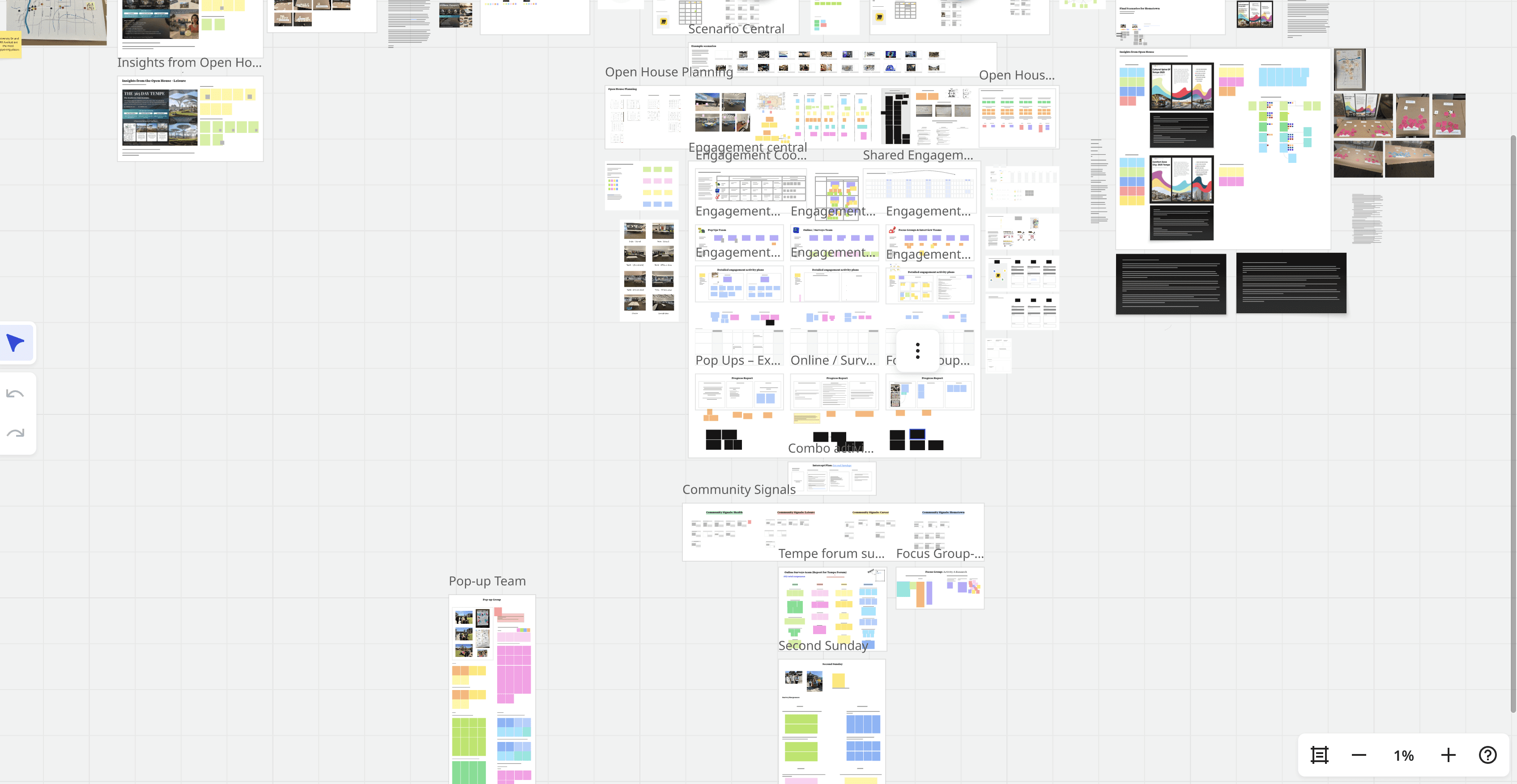
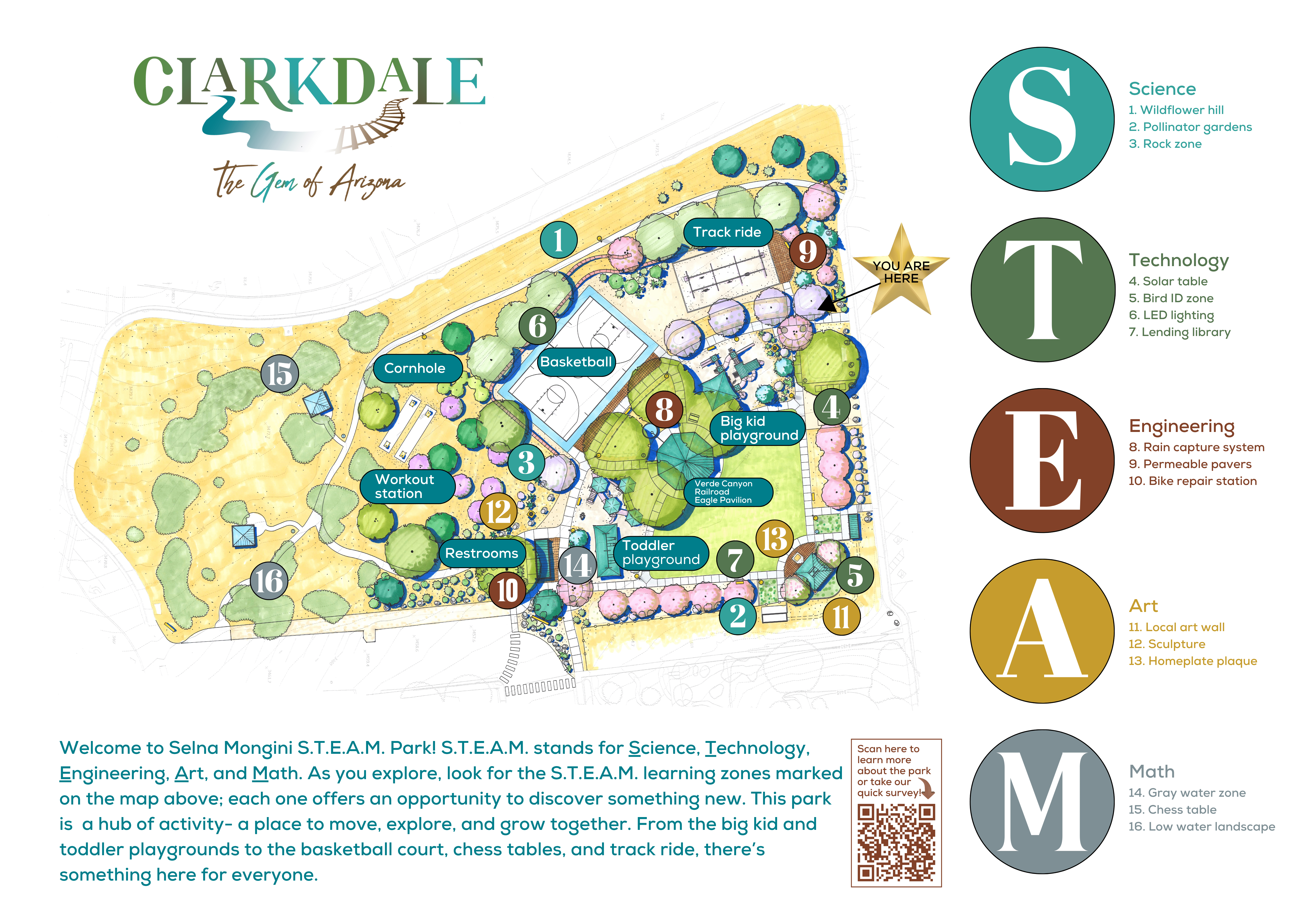
I've designed a patient facing clinical trial platform for Mayo Clinic, built a GenAI onboarding agent using Claude API and Lovable, and led community research for the City of Tempe across the Tempe Futures and Clarkdale projects.
I have a background in Computer Science and I'm completing my Master's in User Experience at Arizona State University. I care about design that's accessible, research backed, and genuinely useful to the people it's built fo
Hi, I'm Ashritha, a Product Designer with 3+ years of experience designing user centered products across healthcare, civic tech, AI, and enterprise tools. I'm currently at Meta, where I turn research and usability testing into interfaces and design systems that scale. Before that, I was at Accenture, designing cross platform products grounded in ethnographic research.
I've designed a patient facing clinical trial platform for Mayo Clinic, built a GenAI onboarding agent using Claude API and Lovable, and led community research for the City of Tempe across the Tempe Futures and Clarkdale projects.
I have a background in Computer Science and I'm completing my Master's in User Experience at Arizona State University. I care about design that's accessible, research backed, and genuinely useful to the people it's built fo
Hi, I'm Ashritha, a Product Designer with 3+ years of experience designing user centered products across healthcare, civic tech, AI, and enterprise tools. I'm currently at Meta, where I turn research and usability testing into interfaces and design systems that scale. Before that, I was at Accenture, designing cross platform products grounded in ethnographic research.
I've designed a patient facing clinical trial platform for Mayo Clinic, built a GenAI onboarding agent using Claude API and Lovable, and led community research for the City of Tempe across the Tempe Futures and Clarkdale projects.
I have a background in Computer Science and I'm completing my Master's in User Experience at Arizona State University. I care about design that's accessible, research backed, and genuinely useful to the people it's built fo
About
About
About
15+
Design tools and API platforms
Figma for design, Claude API and Lovable for AI-assisted work the right tool for research, design, and shipping fast
15+
Design tools and API platforms
Figma for design, Claude API and Lovable for AI-assisted work the right tool for research, design, and shipping fast
4+
Industries explored
Worked across tech, healthcare, enterprise, and consulting each with different users to understand
4+
Industries explored
Worked across tech, healthcare, enterprise, and consulting each with different users to understand
4+
Industries explored
Worked across tech, healthcare, enterprise, and consulting each with different users to understand
7+
Projects Designed
End-to-end product design from AI-powered agents to healthcare platforms used by real patients
7+
Projects Designed
End-to-end product design from AI-powered agents to healthcare platforms used by real patients
7+
Projects Designed
End-to-end product design from AI-powered agents to healthcare platforms used by real patients
3+
Years of Experience
Designing user-centered web and mobile products, from research through final handoff.
3+
Years of Experience
Designing user-centered web and mobile products, from research through final handoff.

Projects That Tell Stories
Projects That Tell Stories
Projects That Tell Stories
Projects
Projects
Projects




Services
Services
Services
Things I bring to the table.
Things I bring to the table.
Things I bring to the table.
Product Design
Product Design
UI/UX Design
UI/UX Design
Design Systems
Design Systems
AI Assisted Design
AI Assisted Design
Product Strategy
Product Strategy
Recommendation
Recommendation
Recommendation
Reviews
Reviews
Reviews

Alison Almand
Project Manager@ project Cities
I had the pleasure of working with Ashritha on two community-focused projects, and I was impressed by the depth of understanding she brought to the people, places, and communities she sought to support through her design work. One of her standout contributions was her UX research and design work on the Clarkdale water conservation signage project. She demonstrated exceptional skill in translating complex environmental information into accessible, engaging, and community-friendly design solutions. She also played a valuable role in the Tempe Futures initiative, where she excelled at stakeholder engagement and cross-functional collaboration. She brought together insights from diverse community members, partners, and project teams, helping connect local needs and aspirations to tangible civic outcomes. Her ability to listen thoughtfully, synthesize feedback, and translate research into actionable recommendations made her an effective researcher. I highly recommend her and look forward to seeing the positive impact she will continue to make through her work.

Alison Almand
Project Manager@ project Cities
I had the pleasure of working with Ashritha on two community-focused projects, and I was impressed by the depth of understanding she brought to the people, places, and communities she sought to support through her design work. One of her standout contributions was her UX research and design work on the Clarkdale water conservation signage project. She demonstrated exceptional skill in translating complex environmental information into accessible, engaging, and community-friendly design solutions. She also played a valuable role in the Tempe Futures initiative, where she excelled at stakeholder engagement and cross-functional collaboration. She brought together insights from diverse community members, partners, and project teams, helping connect local needs and aspirations to tangible civic outcomes. Her ability to listen thoughtfully, synthesize feedback, and translate research into actionable recommendations made her an effective researcher. I highly recommend her and look forward to seeing the positive impact she will continue to make through her work.
Alison Almand
Project Manager@ project Cities
I had the pleasure of working with Ashritha on two community-focused projects, and I was impressed by the depth of understanding she brought to the people, places, and communities she sought to support through her design work. One of her standout contributions was her UX research and design work on the Clarkdale water conservation signage project. She demonstrated exceptional skill in translating complex environmental information into accessible, engaging, and community-friendly design solutions. She also played a valuable role in the Tempe Futures initiative, where she excelled at stakeholder engagement and cross-functional collaboration. She brought together insights from diverse community members, partners, and project teams, helping connect local needs and aspirations to tangible civic outcomes. Her ability to listen thoughtfully, synthesize feedback, and translate research into actionable recommendations made her an effective researcher. I highly recommend her and look forward to seeing the positive impact she will continue to make through her work.
What can you design?
Do you build in framer?
What do you need from me?
How fast can we start?
Do you only design visuals?
Resume
Resume
Resume
:)
:)
:)


