Clarkdale Water Conservation
Puzzle-piece park signage that makes water systems intuitive — featured in ASU's Arizona Water Innovation Initiative newsletter.
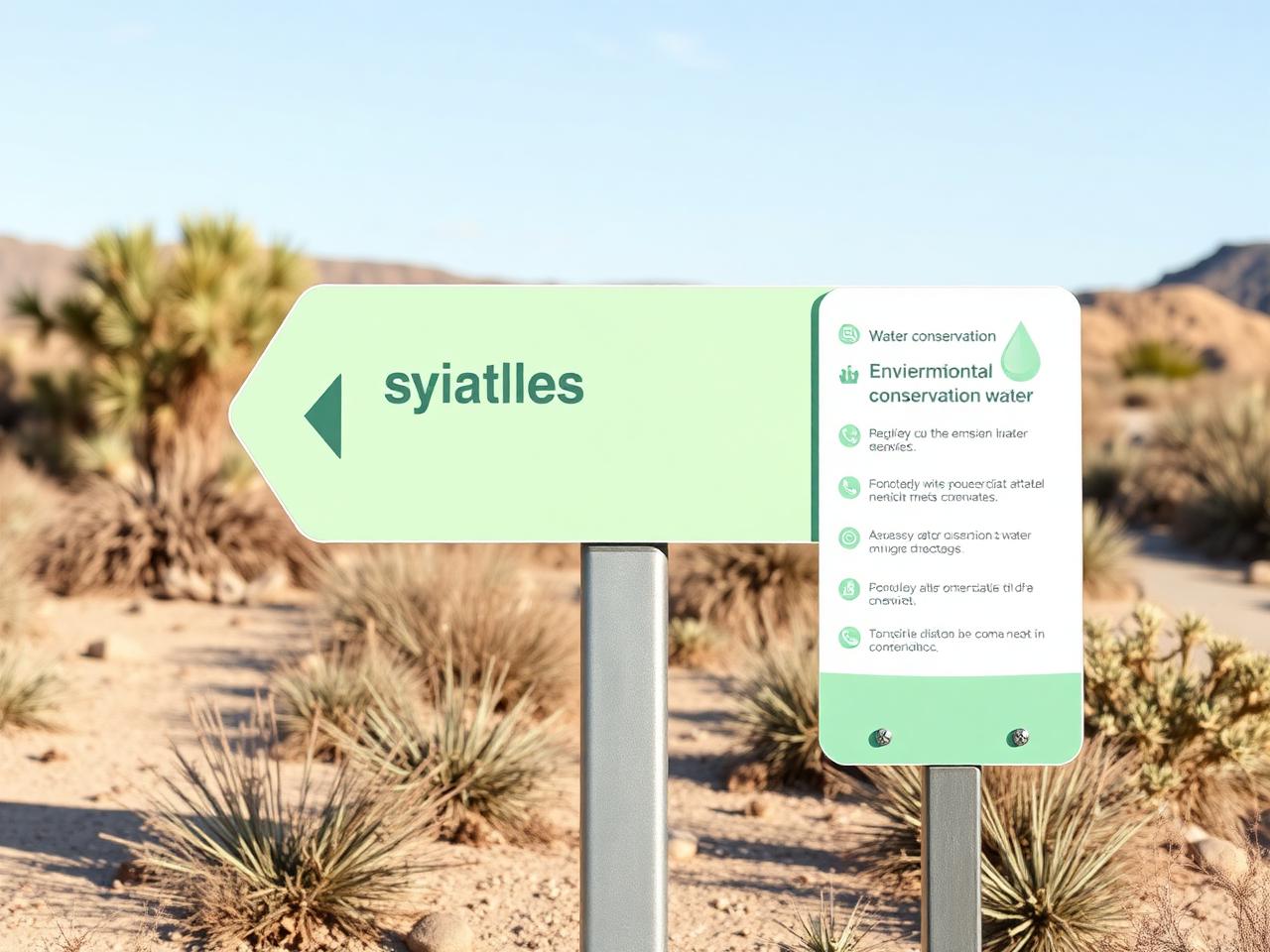
The Brief · Design Challenge"How might we communicate the interconnected logic of landscape water management to park visitors in under 5 seconds — without any jargon?"
Design Principles
Visual metaphor over text
A puzzle piece explains what a paragraph can't.
ADA-first, aesthetics second
Accessibility shapes the layout, not the reverse.
Consistency with the park system
Every sign reads as part of one family.
< 5s
Scan time
Full
ADA compliance
ASU Newsletter
Recognition
Installed
Status
Key Challenges
User Challenges
- 1.Visitors were ignoring standard signs.
- 2.Water basin concepts felt too technical for a general audience.
- 3.Signs needed to work for all ages and literacy levels.
Design & Constraint Challenges
- 1.ADA height, contrast, and font requirements constrained layout.
- 2.Sign had to integrate with the existing Selna-Mongini STEAM Park visual system.
- 3.Physical production constraints limited color complexity.
image placeholder
Research artifact
Drop in an affinity diagram, journey map, or synthesis board that shaped the direction.
Situation
The Town of Clarkdale, Arizona was transforming the Selna-Mongini STEAM Park into a living classroom for water education — but standard signage was being ignored. Visitors needed to understand landscape basin systems without any technical background, in the middle of a casual park visit.
Task
As part of ASU's Project Cities program in Fall 2024, I designed educational signage for the STEAM Park — focusing on user experience and interpretive communication to translate complex water and STEAM concepts into clear, visually compelling designs for youth, families, and adult visitors.
Action
- Researched best practices for interpretive communication — how to present complex environmental and STEAM concepts to non-expert audiences.
- Designed the Landscape Basins puzzle-piece sign — five interlocking puzzle pieces, each explaining a different basin function with illustrations and plain-language descriptions.
- Used the puzzle piece as a visual metaphor for interconnected systems — making the concept of how basins work together immediately intuitive without a single technical word.
- Ensured full ADA compliance — sign height, contrast ratios, font sizing — so the signage worked for all visitors including children and people with accessibility needs.
- Integrated the design with the broader STEAM Park visual system for consistency across the park.
- Worked alongside Clarkdale town staff and used grant funding from Impact Water – Arizona to bring the signage to life.
Result
- Sign installed in the Selna-Mongini STEAM Park — now part of Clarkdale's official water education infrastructure.
- Work featured in ASU's Arizona Water Innovation Initiative newsletter (March 2026) — recognized as a model for community-centered water education design.
- Puzzle-piece metaphor praised as the most effective educational device in the signage system.
- Design contributed to a collaborative effort between ASU, the Town of Clarkdale, Impact Water – Arizona, and community donors — proving that student design work can create lasting civic impact.
image placeholder
Process & exploration
Sketches, flow diagrams, wireframes, or iteration shots.
image placeholder
Final outcome
Hero shot of the final screen, artifact, or installed deliverable.
Tech Stack
Adobe IllustratorInDesignPhysical prototypingFigma
Research Methods
Interpretive communication designEnvironmental graphic designADA auditingVisual metaphor designCommunity-centered design
Tags
Environmental DesignVisual DesignWayfindingWater EducationCivic ImpactASU Project Cities
Lessons Learned
- "The puzzle piece metaphor came from asking 'how does a child understand a complex system?' — not from a design brief. The best design decisions often come from reframing the question entirely."
- "Environmental design taught me that the best UX is often the most invisible — you don't notice it working, you just understand."
- "Seeing your work installed in a real park and featured in a published newsletter is a completely different feeling from a screen prototype. It makes the responsibility feel very real."